
By 2026, consulting has undergone a fundamental transformation. The industry is moving away from labor-intensive, time-based engagements and toward technology-driven advisory models built around speed, intelligence, and measurable outcomes.
This shift is being fueled by widespread AI adoption and a renewed phase of market growth. As a result, the global technology consulting market is projected to surpass $400 billion in 2026, reflecting not just expansion, but a redefinition of what consulting actually means.
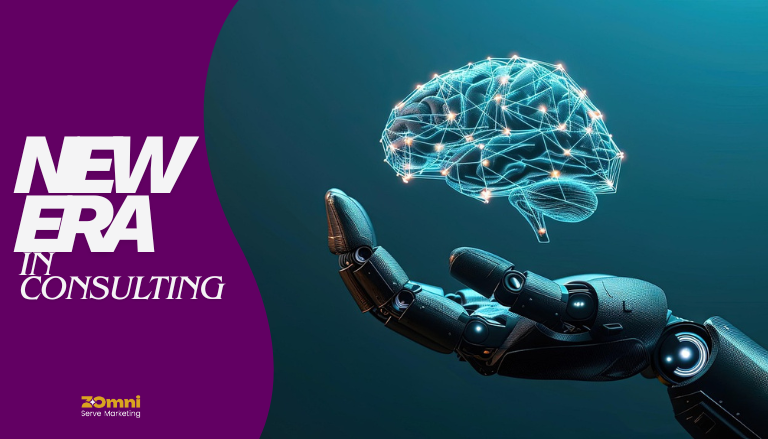
Market Dynamics Shaping the Future of Consulting
The consulting industry is undergoing a dramatic evolution. What used to be a world of long engagements and manual analysis is now defined by speed, specialization, and technology-driven impact. As firms and clients alike embrace artificial intelligence (AI) and new business models, the landscape in 2026 looks markedly different — smarter, faster, and more outcome-oriented.
AI-Native Is the New Baseline
In 2026, consulting clients don’t just expect AI expertise — they expect consulting firms to be AI-native organizations themselves.
Leading firms are embedding AI across every function, from sales and delivery to HR and talent management. Generative AI tools now turn weeks-long analyses into outputs delivered in days, reshaping timelines and pricing expectations. This aligns with broader industry trends showing that digital transformation and automation consulting continue to accelerate rapidly. According to StartUs Insights, digital transformation is among the top consulting market trends in 2026, with firms deploying AI both internally and for clients to enhance operational efficiency.
Notable industry moves support this shift: Accenture recently announced a major partnership with OpenAI to integrate ChatGPT Enterprise across its services, positioning itself as a leader in AI-enabled consulting and transformation.
The Rise of the Fractional Executive
Another defining trend is the growing demand for fractional leadership – part-time, high-impact executives such as CFOs, CMOs, and COOs. Small and mid-sized organizations increasingly prefer flexible access to senior expertise without the cost and commitment of full-time hires. This model gives clients strategic guidance precisely when they need it, while consultants benefit from diverse exposure and autonomy.
This shift reflects broader market sentiment that fractional and on-demand consulting roles are becoming a core part of professional services, helping organizations remain agile and cost-efficient while still tapping top-tier strategic thinking.
Hyper-Specialization Over Generalism
Generalist consulting is steadily losing ground as clients increasingly prioritize deep, niche expertise.
Boutique firms and independent specialists focusing on areas like healthcare technology, cybersecurity, climate strategy, and AI infrastructure are winning business by delivering tailored insights and rapid execution. As one industry analysis notes, this demand for specialized knowledge is reshaping client priorities and rewarding consultants with deep domain experience.
In this world, credibility comes from depth, not scale.
ESG Moves from Periphery to Strategy
Environmental, Social, and Governance (ESG) considerations have moved from a niche offering to a core strategic imperative. Consultants today help organizations embed sustainability into core operations, measure carbon footprints, design responsible supply chains, and link ESG goals to business outcomes. ESG is no longer about ticking boxes — it’s about long-term competitiveness and growth.
This mirrors broader trends in consulting where sustainability advisory is becoming inseparable from core business strategy.
Recruitment and the New Consulting Career Landscape
A Shifting Workforce and Salary Reality
While demand for AI and data expertise is surging, compensation patterns at major firms like Deloitte, EY, KPMG, and PwC tell a more complex story. Salaries for entry roles have remained relatively stagnant, even as firms increasingly automate routine tasks and shift hiring toward senior and specialized talent. The result? A leaner workforce with higher expectations for incoming consultants.
This aligns with reports that consulting firms are restructuring talent models toward skills and agility rather than traditional role hierarchies.
Recruiting Timelines Are Accelerating
Consulting recruitment cycles have also shifted. Many top firms, including McKinsey and BCG, are closing applications for Summer 2026 roles as early as mid-2025. Candidates who rely on conventional timelines may miss critical opportunities, making early preparation and networking essential.
This trend underscores a broader emphasis on proactive career planning in a competitive market.
A Golden Age for Independent Consultants
For independents and boutique firms, 2026 offers a unique opportunity. AI-enabled consultants who leverage autonomous tools, reusable digital assets, and scalable advisory models can often outpace larger legacy firms in both speed and cost-efficiency.
Without large overheads, independents are carving out a competitive edge by being agile, specialized, and client-centric — qualities that many larger firms struggle to replicate.
How Consulting Is Delivered Today
The Decline of the Billable Hour
One of the most significant shifts in consulting delivery is the move away from traditional time-based billing models.
Increasingly, firms are experimenting with subscription packages and outcome-based pricing, where clients pay for clearly defined results rather than hours worked. This reflects broader industry pressure to align fees with value delivered — a shift noted by major strategists who argue that performance-based models will reshape fee structures in the age of AI.
Hybrid Delivery and Regional Advantage
Most consulting engagements in 2026 follow a hybrid delivery model. Virtual strategy sessions are blended with targeted in-person workshops, striking a balance between flexibility and collaboration. At the same time, regional firms with deep local expertise are gaining traction by offering culturally informed solutions and nuanced regulatory understanding that global players often lack.
Forward-Deployed Teams Become the Norm
Increasingly, consultants — especially technical specialists — are embedded directly within client teams. These forward-deployed teams participate in daily rituals, decision-making, and execution rather than operating from a separate advisory unit. This proximity drives impact and closes the gap between strategy and implementation.
Final Takeaway: Consulting Is Being Rewritten
In 2026, consulting is no longer about selling hours or producing slide decks. It’s about intelligence, specialization, and measurable outcomes. Firms that embrace AI-native models, rethink pricing, and deliver measurable impact will thrive. Those clinging to legacy approaches risk being outpaced — not just by competitors, but by technology itself.
Consulting isn’t disappearing. It’s being reimagined.

